PhotoShelter for Photographers Blog
-
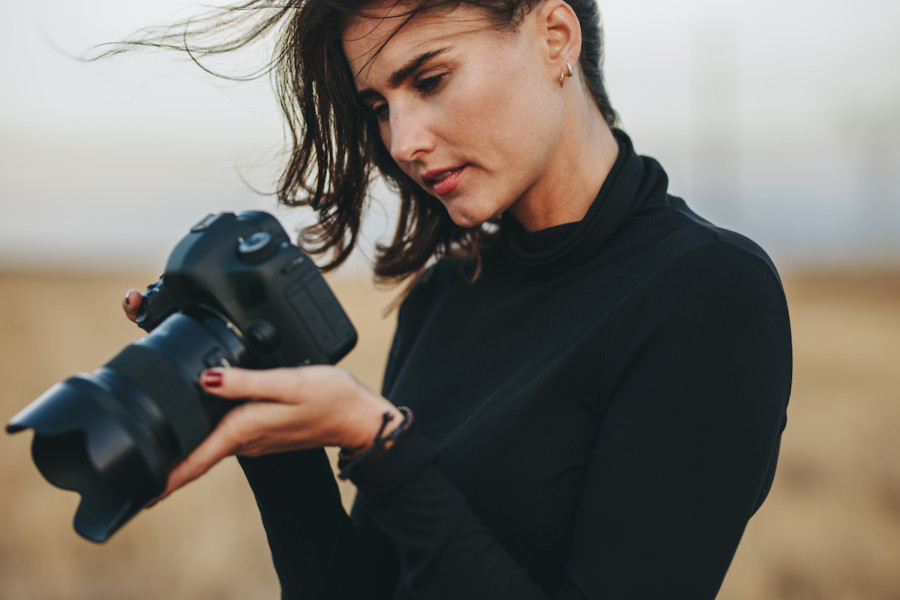
Photographer Goals for 2023: Setting Our Sights on Success
A new year is here. At this turning point, it’s only natural for people to reflect on the past and plan for the future. It’s always helpful for photographers and creatives to set personal and professional goals, and move forward with an open mind. By setting aspirations and looking forward to what’s to come, we […]
-

Presenting Your Best and Archiving the Rest: Listed vs. Unlisted Photos
As a photographer, it’s important to keep your work accessible and easily shareable with clients. It’s also vital you keep track of unfinished projects, unedited photos and extra files. One benefit of storing and managing your work with PhotoShelter is that you can display any photo you’d like on your public website, while keeping the […]
-
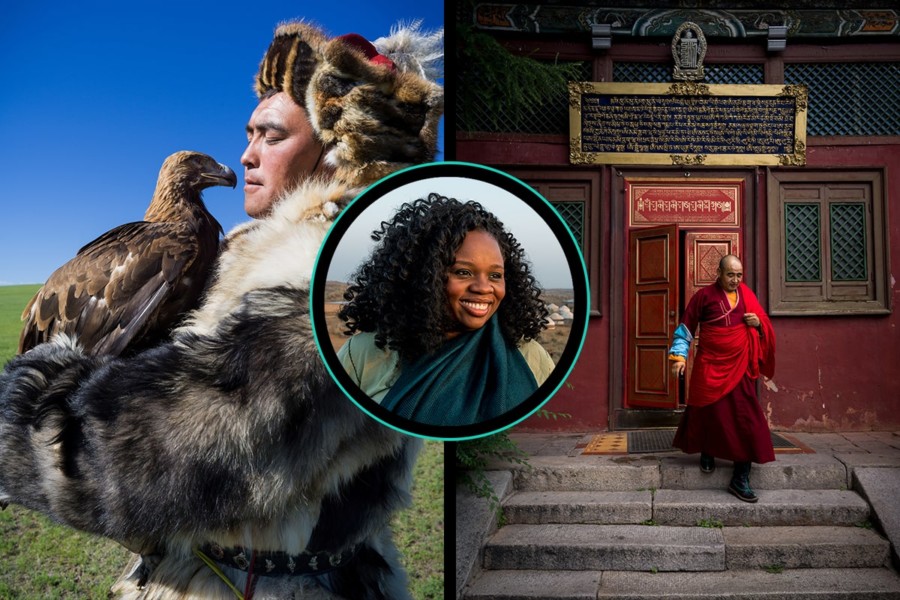
Traveling with Intention: Visual Storytelling Around the World with Lola Akinmade
Traveling the world opens us up to unique experiences, new cultures and important lessons that can often change our outlook on humanity. Add a camera to the equation and it’s incredible to see just how far these stories soar. For Lola Akinmade Åkerström, photography and storytelling are two very special components to her travels. After […]
-
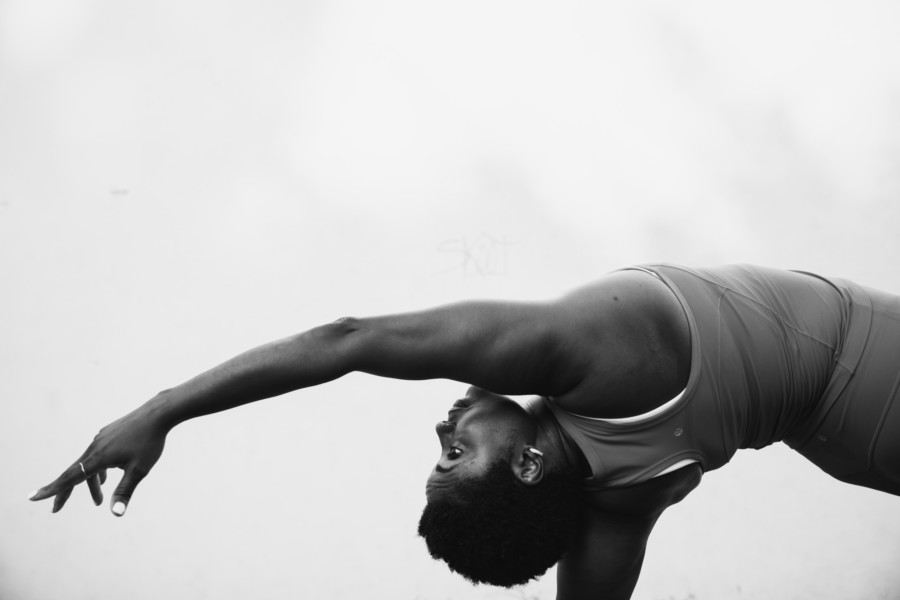
Celebrating 8 Photographers We Admire for Black History Month
I recently finished the final episode of Netflix’s “Strong Black Lens,” a 6-part digital series released last year that gracefully outlines the importance of Black photographers telling their own stories, controlling their narratives, and creating legacies. Through a series of interviews and round-table discussions with powerhouse photographers like Kwaku Alston, Dana Scruggs, Erik Carter, and […]
-
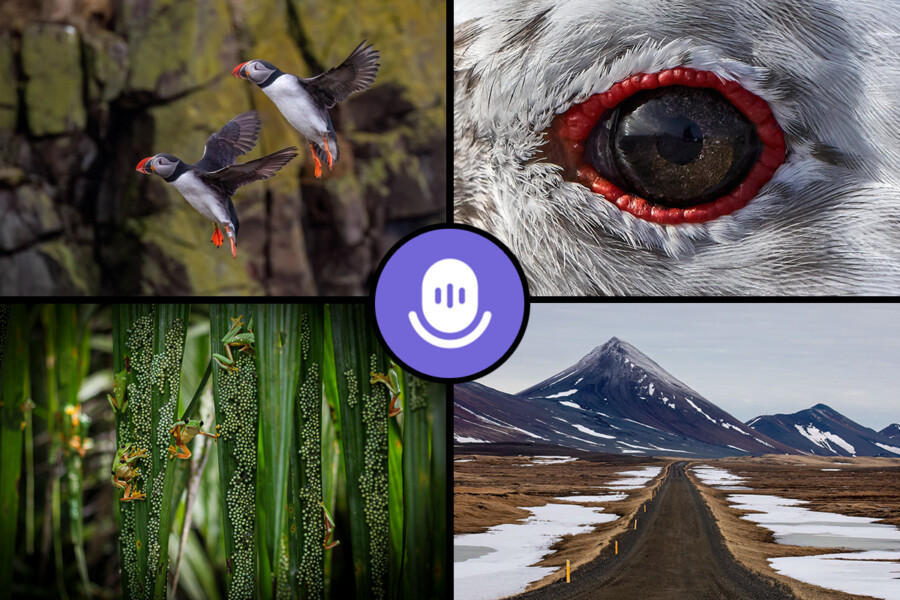
Celebrating Earth Day Everyday: A Twitter Space Show and Tell with Wildlife and Landscape Photographers
Social media is a great way for photographers to connect with other creatives from all walks of life. You can easily share stories, support each other, and learn from one another, no matter where you are in the world, or the stage of your personal or professional journey. We love bringing photographers together and hearing […]
-
Celebrating International Women’s Day Everyday: A Twitter Space Show and Tell with Black Women Photographers
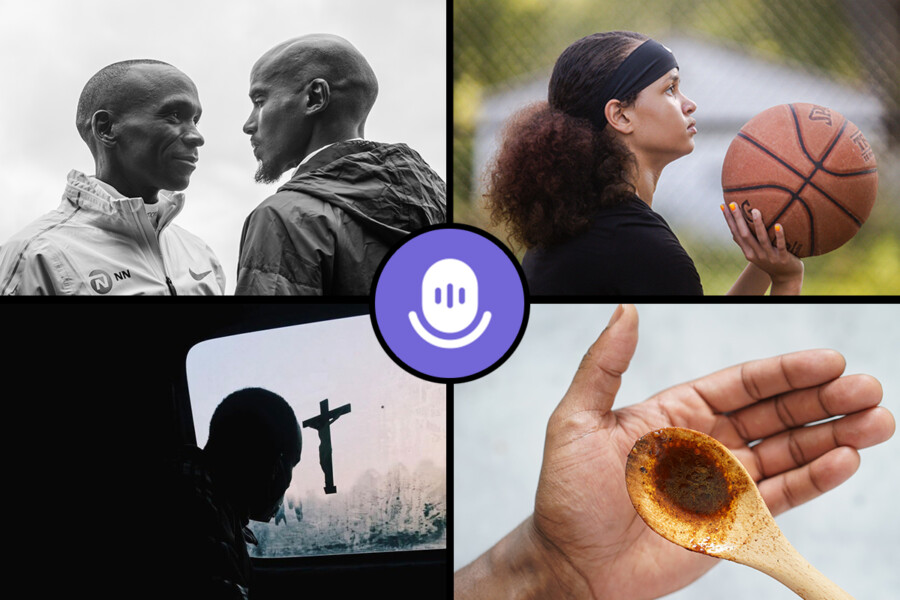
One of the great benefits of using social media as a photographer is the incredible opportunity to instantly connect with different creatives from around the world and from different walks of life. It’s now easier than ever to share stories, support one another, and learn from each other from across time zones, overseas, and through […]
-
National Photography Month: The Power of Visual Storytelling
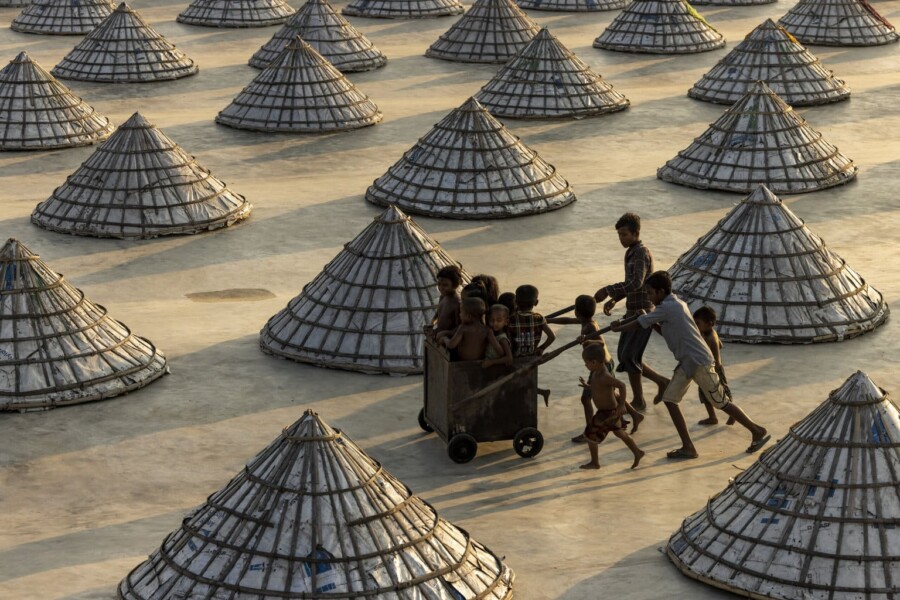
Photography is our favorite form of storytelling. Behind every photo is a lasting memory, a moment frozen in time. No matter the genre or speciality, there’s always something to learn from photography, too. It’s a universal language, yet everyone has the opportunity to walk away with something unique – whether it’s a lesson learned, a […]
-
PhotoShelter’s FileFlow App: Now with Upload for iOS and Android!
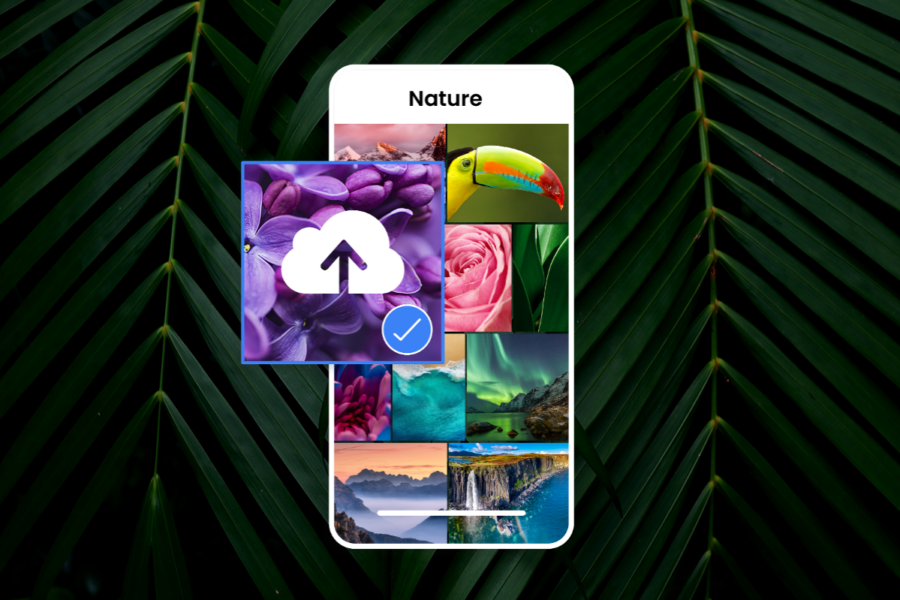
Our mobile app, Fileflow, is the best way for you and your clients to access your PhotoShelter Library on the go. See what’s new…
-
Ride Around the World with Award-Winning Photographer Jody MacDonald
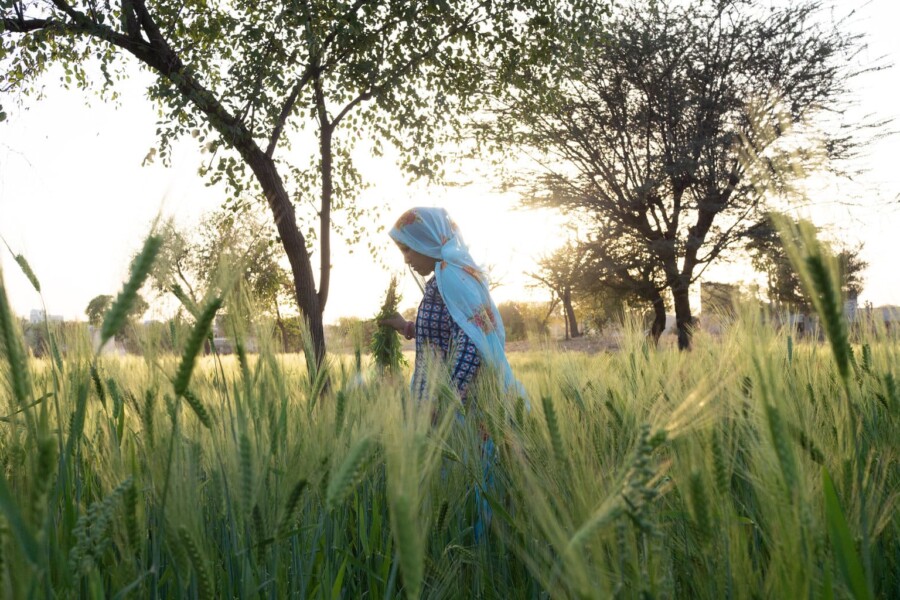
Photography and exploration go hand-in-hand. Curiosity is often the catalyst for a photographer’s next image, and as visual storytellers, we are known to document and learn as we go. We love that about photography. It’s a never ending journey. Jody MacDonald, award-winning photographer and long-time PhotoShelter member, is no stranger to exploration, as she has […]