Share
What is Stock Photography?
photo by Paul Treacy / #PSC000001105 Overview Stock photography is one of the most basic components of marketing and advertising and is completely ...
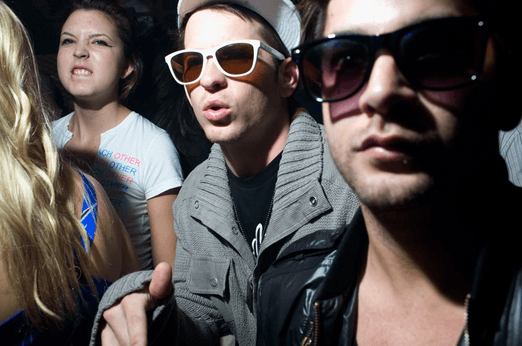

photo by Paul Treacy / #PSC000001105
Overview
Stock photography is one of the most basic components of
marketing and advertising and is completely ubiquitous to the modern world.
Businesses of all shapes and sizes license stock photos for specific uses that
have been previously created to illustrate concepts, services, situations, etc.
Every time you read a magazine or whenever you look at
newspapers, billboards, textbooks, book covers, blogs, brochures, direct mail,
or corporate literature of any type – and even when you watch TV and see stills
incorporated into the programming – you are probably looking at stock
photography.
The images that companies use in their media (whether
it’s for marketing, creative or educational purposes) come from basically two
sources: 1) they hired a photographer to shoot it; or 2) they purchased a
pre-existing image. When someone purchases a pre-existing image, they are
purchasing STOCK PHOTOGRAPHY.
What is the subject matter?
You could take a picture of almost anything and call it stock photography. Here is a range of potential subjects and uses:
- An
advertising agency is doing an international print campaign for a
consumer goods client and needs a picture of two kids brushing their
teeth in their pajamas.
- A general interest magazine needs a picture to help illustrate ‘green living.’
- A music magazine needs a picture of a Michael Jackson concert from 1984
- A travel agency needs a picture of a very specific castle in Ireland to use in a brochure.
- A book publisher needs a photo that somehow conveys ‘reckless experimentation‘ for a book cover.
- A bank needs 10 pictures of African wildlife to hang on the walls in their new branch.
- A celebrity magazine needs a picture of J. Lo working out.
- A newspaper needs a ‘cut-out’ picture of empty pill bottles against a white background to use in a story on rising drug costs
Stock
photography covers almost anything you could think of – from everyday
objects, to people in every age, color and situation imaginable,
families, business settings, travel, concepts, landscapes, nature,
underwater, sports, news, and entertainment.
How is stock different than other photography?
There
are no hard and fast rules regarding the aesthetics of stock
photography, but there are some considerations for the photographer.
First,
commercial stock photography isn’t photojournalistic in nature. Stock
photography doesn’t have a brooding quality that is sometimes
characteristic of documentary photography. “Light and airy” is a phrase
that is frequently used to describe contemporary stock photography. The
goal is to make things visually appealing.
Stock photography is
also frequently used with embedded marketing messages, and therefore, the
experienced stock photographer thinks about composing the shot in such
a way that it can appear in an ad or publication.
Also, stock photography is used commercially and requires a certain level of production quality. Rarely
can you just casually take a picture of something or someone and sell
it for use in an advertisement. Why?
First, because you probably don’t even have
permission (aka a model release)
from the model to use their image commercially.
And second, because of the production
details. The lighting might not be right, the person’s clothes might
not be presentable enough, the person might not be model-quality, the
background might be too cluttered, the expression on someone’s face
might not clearly evoke an emotion – there are so many considerations
taken into account when photographers shoot stock.
This is why we’ve
created the School of Stock – to help teach photographers how to turn
their photography into totally sellable and effective stock imagery.
Who are the buyers?
Stock photography is roughly a $2 billion industry. The types of buyers include:
- Advertising Agencies
- Magazines
- Publishing houses (fiction, non-fiction, textbook)
- Corporations (in-house communications departments etc.)
- Websites + blogs
- Non-Profits + government agencies
- Graphic designers
How much do buyers pay for stock images?
There
is a huge range of prices in stock photography – and prices depend
entirely on usage.
In most cases buyers are not actually purchasing an
image, they are purchasing the right to use that image for a very
specific format, period of time, and audience circulation. If a website
runs a thumbnail size image for 4 hours, it will be a lot cheaper than
an ad agency blowing it up for billboards and running it in an
international campaign for 6 months.
That said, a typical
magazine sale might be between $150-500, where an advertising sale
might be $5,000 and as high as $50k or up. A web usage might be $50.
For most major purchases, the stock site will manage the negotiation
for you – you do not need to develop an expertise in pricing. You
should though educate yourself on the basic license types (Rights
Managed and Royalty Free) – and get familiar with general usage-based
pricing.
PhotoShelter makes pricing very easy for you. We
provide pricing tutorials and pre-configured pricing profiles (low,
medium, high) for you to choose from on a per-image basis.
For more information on pricing and licensing, please
read the “Stock Image License Types” article.
What qualifications do you need to shoot stock?
1. You need an imagination, creative vision, basic photography skills, and a
decent camera.
2. You need to educate yourself. Read the School of Stock from start
to finish, and especially the article on Production Value . Start
obsessing over magazines and other forms of print media and start to train your
eye on the aesthetic of commercial imagery.
3. You need to get out there and start shooting and
submitting work. The best way to learn is just to do it – and to understand
which images get accepted, which get rejected, and which ones SELL.
We hope PhotoShelter and the
School of Stock can help you get both excited and prepared to dive into
stock photography. There is nothing cooler than seeing your image run
in major magazines or advertisements – it is a chance to participate in
pop culture and international media, and develop your photography
career, from anywhere in the world.
We look forward to seeing your work!
Next Post: Capital One: Who’s in Your Wallet?
Previous Post: Design and Image Trend: The Lobster
You May Also Like
-
Expert Advice and Top Tips from Pro Photographers for 2024
What’s one piece of advice you would give to aspiring or up-and-coming photographers? We asked nine experienced photographers and PhotoShelter members to share their top tips for those looking to get ahead in their photography careers. From finding your own visual voice to working with a mentor or photo assistant, each piece of advice listed […]
-
What’s On Your Photography Holiday Wish List?
The holiday season is around the corner and that means it’s the perfect opportunity to upgrade your gear or find that special gift for the visual storyteller or photography enthusiast in your life. We reached out to a handful of renowned photographers and PhotoShelter members, each with their unique styles and preferences, to bring you […]
-
Share a Photo That Means the World to You
We all have a photo that means the world to us. Maybe it’s one we made ourselves – the first photo from our first camera. It could be an old family photo in a beloved photo album. Or maybe it’s an iconic image that hangs on our wall at home. With World Photography Day coming […]