• Home
  • Tour
  • Examples
  • Plans & Pricing
  • Free Guides
  • Blog
  • Become a Member
  • |
  • Help
  • Sign In
Create an account

  • Blog Home
  • The Business of Photography
    • Sales & Pricing
    • Marketing
    • Getting Hired
  • Photography Websites
    • Tips & Tools
    • SEO & Analytics
    • Workflow
  • Inspiration
    • Shout-Outs
    • Featured Photos
    • Luminance Videos
  • Industry News
    • PhotoShelter News
    • Community News
Home » Sales & Pricing » Why “Day Rates” Are Bad For Photographers

Why “Day Rates” Are Bad For Photographers

Posted by: Grover Sanschagrin    Date: May 26, 2011  |  7 Comments
Tweet

If he could, John Harrington would reach through his computer screen and choke me with his bare hands. And you know, what? I kinda deserve it. In the process of doing research for the new free guide “Starting a Photography Business” I asked a question that didn’t sit well with him. Oops.

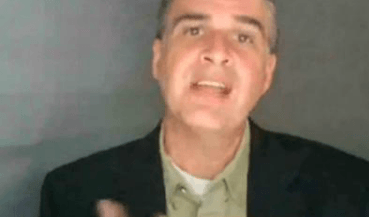
I recently interviewed John via Skype (and recorded the whole thing, below).

Harrington is a Washington DC-based photographer and the author of the book “Best Business Practices for Photographers.” My question was about establishing a fair “day rate” – and he jumped all over me just for mentioning the term.

It turns out that the concept of “day rates” is outdated, and should be avoided by photographers. John explains exactly why in the video, below.

Thanks John. :-)

By the way – John Harrington, and PhotoShelter CEO Allen Murabayashi, will be speakers at the NPPA 2011 Business Blitz seminar in Washington DC. Just the lineup alone is telling me it’s gonna be a very worthwhile event.

Learn more by downloading our free guide “Starting a Photo Business”

Get your free guide now!


The 19-page PDF will be e-mailed to you. We won’t sell or distribute your email. It’s guarded 24/7 by angry gorillas!


7 Comments

kmci 5-26-2011

I’ve got a question for John. What do you do about a client who shows up late (keeps you waiting), then tries to dictate how the shoot is run, or requires lots of feedback and explanations, needlessly drawing the shoot time out? I guess you could a) not work for someone like that or b) suck it up and eat it. But there has to be a better solution. Right?

Tim Norman 5-26-2011

Though I like the idea of quoting based on the number of photos instead of time it doesn’t always work. There are times when I quote based on the event where there isn’t a determined amount of photographs to be taken. And there is a need at times for event coverage to be based on hours. For example a wedding where truly the event is going on for an entire day, or maybe at a press conference or state track meet where there cannot be a predetermined number of photographs. They are what you can get and what the best photographs you can create. I could tell someone I’ll turn in 600 or 100 or 5 photographs from these events for X amount, but their expectations might be that I would be there the entire day if say that. However if you are working with a client shooting a specific idea for a specific use where the event is done when you are actually done then you can price something based on the number of photos. That would be totally possible. But when the event doesn’t end when you are gone, the client usually has an expectation that you will be there unless you give them a length of time. To KMCI I’d offer that your should talk to them about it. Have a non-confrontational non-finger pointing talk. They hired you because they trust you to create photographs for them. Perhaps they got burned in the past or perhaps they are the type of person that wants to be in control of everything. You’ve got to see what the issue is behind it before you can fully address it. Some people are just that way and you work with them and they grow to trust you. With other people you can explain that you aren’t feeling respected when you have to stop and explain everything. Or that it is significantly increasing the amount of time during the shoot. Tell them you’ll gladly answer questions or talk with them about the larger decisions of the shoot but you need to be trusted to handle what they hired you to do. It’s either that and work with them or don’t work with them. You always have the right to fire a client.

Delane Rouse 5-26-2011

I simply call it a “Creative Fee” and it’s loosely based on time, complexity of the assignment. On another note, I’ve had quotes approved for “up to 15 corporate headshots” and the client only has 10 or 12 people show up and they a) expect a refund or b) expect me to come back (at no cost) for the shots that weren’t created on the original date. How do you handle that? KMCI–>You’re in a difficult situation…but eventually you need to discuss the situation with the client if you intend to work with them again. It’s up to us to set the expectations. Delane

Craig Holmes 5-27-2011

Whilst trying to be polite about this – I have to say that this is not advice that should be used in many situations. I have 15 years experience as a photographer, working for some of the largest brands and publications in the UK, and in 98% of cases, I charge a day rate. Certainly in the UK, this is the preferred method of working with photographers in many markets and specialisms. If a commercial job is briefed to me, I can work out how long that will take and provide a quote on number of days – and to be honest, it is usually a half day, or a full day. It is not difficult to work out and doesn’t require years of experience. If the client gets the brief wrong and we still have work to do at the end of the day, they simply book me for another day. Clients use the language of day rates, and as such, we are working on their terms – rather than having them adapt to ours. The video mentions a scenario where you are doing a ‘day of photography’, finish early, and the clients asks for another photo. Well, to be honest, if you don’t think you can shoot a quality image in the time given, you should let your client know. They would certainly understand. It also asks how long a day is. Well, certainly in the UK, the length of a working day is mentioned to the client in advance – although almost all already know that it is 8 hours. So if I work 12 hours, the client knows they get an invoice for 1.5 days. The mention of ‘number of photos that will be provided’ simply creates a feeling of mistrust in the client/photographer relationship. I know that my clients would not like to work in that way. Things do change of commissions, and often you are asked for extra photos (although I am frequently also asked for less), that is photography. I don’t expect to have to renegotiate with a client whilst on a shoot. If I use a day rate, I choose how much I will get paid for a period of time, I maintain excellent relationships with clients (as I use their working methods), they re-book me, sales go up, and everyone is happy. Of course, I am the first to admit that different methods work for different photographers – particularly in different countries, but I know many many photographers and not one of them charges based on the number of photos supplied (I do know a couple who charge a day rate and for the number of photos supplied). All the others charge based on a day rate. I hope that wasn’t antagonistic in any way, I just thought it important to contribute to this post, as for many photographers, especially students, it could be the wrong avenue to take. Kind regards, Craig

Stephen Ironside 6-30-2011

Love this post. However, I have a different question. This video seems to be geared towards a photographer in negotiations with a specific client who is hiring for a specific job/shoot. I’m in a different situation–I’m about to meet with a potential client who may or may not use me for any number of jobs in the future. They really just want to get an idea of what I charge in general and add me to their list of freelancers. Should I provide an hourly rate for events, a day/half day rate for other types of shoots, etc.? How should I propose what I might charge for a shoot I don’t have any specifics about.

rob andrew 12-1-2012

Bravo. I agree with this 100%. For event coverage see the video at 2:00 where he mentions that an hourly rate makes a bit more sense for that type of work. Advertising and editorial photography is often based on image licensing fees where the client pays more money for more images and/or wider usage. Quality control is much better when there is a number of images agreed upon. “Up to “x” number of final images is a great way to do it. You can always shoot more and let the client proof them and license only the images they need.

Comment


Cancel  

  • Popular Posts

    • Find Your Images Online Using Reverse Image Search on Google

    • Video Demo: Retouching Portrait Photography Using a Photoshop Quick Action

    • 5 Ways Photographers Can Give Back

    • 14 Respected Photographers' Plans to Jumpstart Their Photography Business in 2013

    • Are Photography Contests Worthwhile or Worthless?

    • Six Standout Night Photography Tips to Help You Master the Craft

    • The 40+ Items Every Photography Assistant Needs Now

    • Rant: I Love Photography

    • 13 Digital Point-and-Shoot Cameras Used by the Pros

    • Pro Wedding Photo Ideas: 25 Creative Shots


Step up to a more powerful photography website!

Try PhotoShelter
  • PhotoShelter
    • Home
    • Tour
    • Examples
    • Plans & Pricing
    • Free Guides
    • Blog
  • About
    • Our Team
    • Affiliate Program
    • Press Room
    • Legal & Privacy
    • Free Webinars
    • Photographer Profiles
  • Contact
    • Help
    • Facebook
    • Twitter
    • Vimeo
    • Scribd

Contact us if you have a question!

T. (212) 206-0808 or send us a message

Our Client Services team is available to help you and answer your questions Monday through Friday from 9am - 6pm EST.


All photographs and illustrations that appear on the site are copyright of their respective owners.
©2005-2011 PhotoShelter, Inc.

PhotoShelter