Share
The Power of Tragic Photos
When I was a kid, it seemed like TIME magazine was filled every week with images of starvation from Ethiopia. I didn’t find myself connecting wit...
When I was a kid, it seemed like TIME magazine was filled every week with images of starvation from Ethiopia. I didn’t find myself connecting with those photos because 1) I didn’t have the emotional experience to contextualize suffering, and 2) Ethiopia seemed so far removed. A distended stomach with a blank expression didn’t communicate a story to me at age 8.
But in the past decade, certain images have been seared into my brain, and in the past month alone, a few images have nearly brought me to tears, even though we’re bombarded by hundreds of images on a daily basis. These images don’t describe a tragic event, but rather the aftermath. The emotions expressed by the subjects are universal, and as such, they transcend geographic borders and time. They are too easily relatable.
It’s a reminder that good photojournalism helps us connect to these common emotions, even if too often that emotion is sadness. But it is that sadness that hopefully will trigger us to do something, whether donate to a cause, or change something in our own community. Here’s a sampling of images that have moved me.
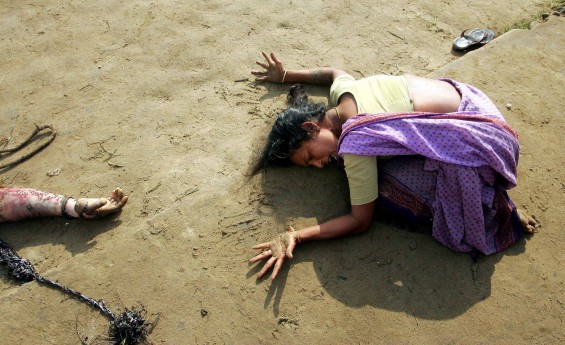
Photo by Arko Datta/Reuters
I still have the issue of TIME that featured Arko’s image on the cover sitting on my shelf. This photo won numerous awards including the World Press Photo of the Year. The upturned hands of both the victim and the woman are haunting. Her expression and body position only heighten the sense of anguish. Even without the hand in the left of the frame, the image would be powerful, but with it, the photo is a visual masterpiece.
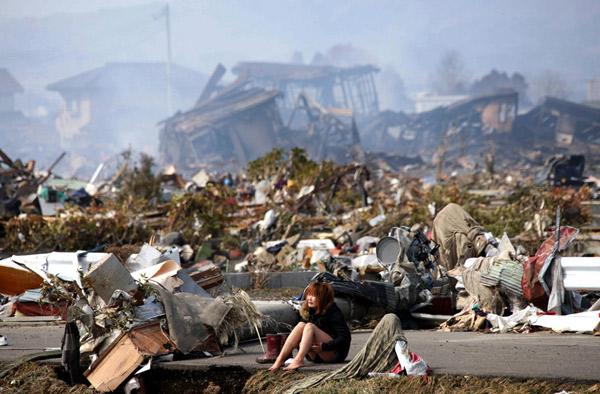
Photo by Toshiyuki Tsunenari
There were thousands of photos of the Japan tsunami showing various levels of destruction, but few conveyed both the breadth of damage, plus the isolation of grief that so many people must have endured. The subject’s expression is heart-breaking, but for me, it’s the bare feet that somehow create the greatest despair. Toshiyuki’s use of the telephoto lens helps create a literal focus on the subject while blurring the background elements that give such great context.
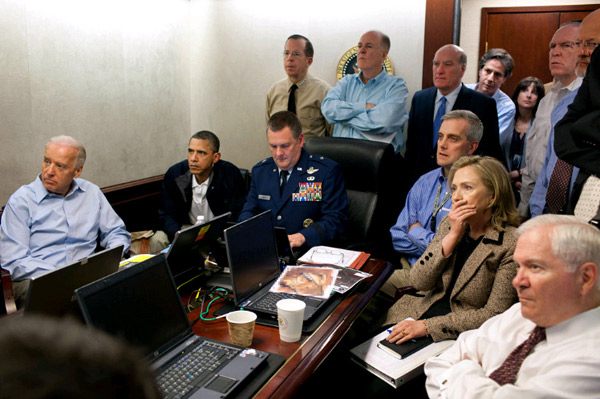
Photo by Pete Souza
Pete Souza’s image of the Osama bin Laden mission isn’t a typical tragedy. But there is something incredible about the expressions of the subjects, and you can feel the tension and the “quietness” of the room. Pete managed to get 13 faces into the frame into arguably the most iconic image of the mission.
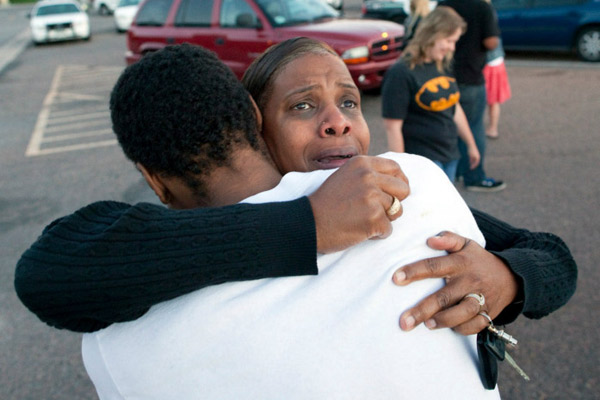
Photo by Barry Gutierrez/AP
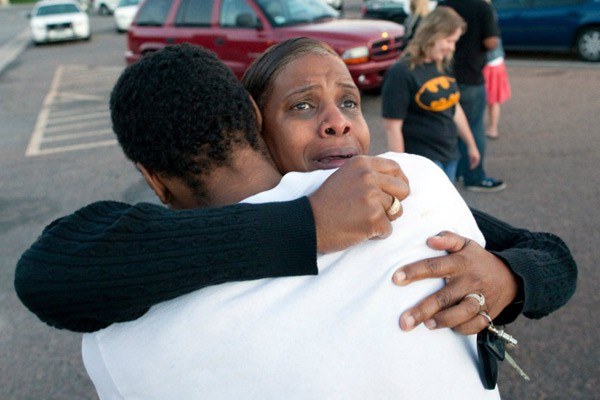
The New York Times used this image as a lead in one of their articles about the Aurora shootings, and it is one that nearly moved me to tears. The subject’s expression is pure grief with the furled brow and the glassy eyes. The Batman t-shirt in the background is a weird reminder of the circumstances surrounding the shooting. Fortunately, this particular story has a happy ending, and the woman’s son was found alive.
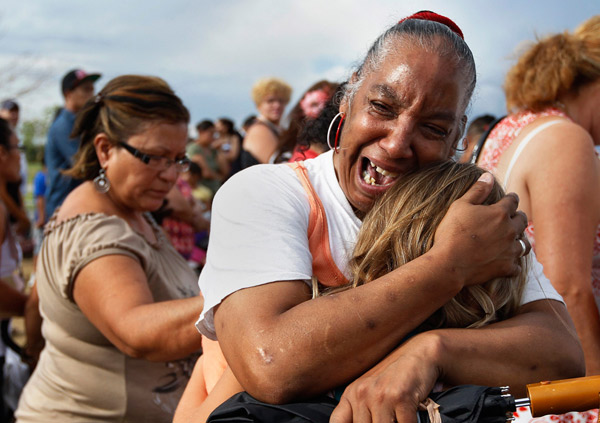
Photo by Shannon Stapleton
The Chicago Tribune‘s great photographer (and cool dude), Scott Strazzante, told me how much he loves iPhonography because it allows him to do street photography in a way that is impossible when he’s using a DSLR and the subjects are fully aware that their photo is being taken. In this photo from Aurora, Shannon is using what looks like a normal lens, but it doesn’t matter that he’s standing a few feet away from the subject because she’s overwhelmed by her emotion. This photo did make me cry.
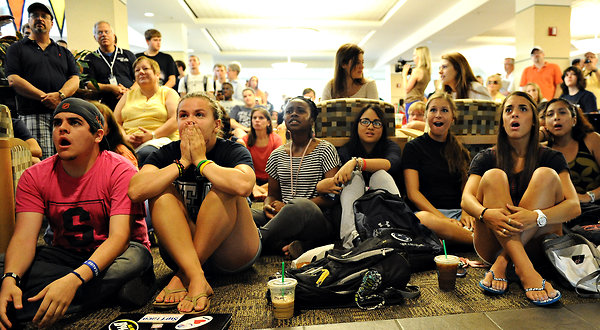
Photo by Patrick Smith/Getty
The Jerry Sandusky/Penn State tragedy has so many intricacies, it’s hard to process. This particular image is of student reactions to the NCAA’s announcement of fines, bowl bans, revoked wins, etc. I can’t begin to tell you how amazing this photo is. It’s so hard to catch reaction shots where everyone is engaged. There’s almost always someone looking away, smiling, checking their phone, etc. The expressions of disbelief — literal jaw dropping — is a testament to Patrick’s position and timing. In other words, it’s not a photo that the average Instagrammer would have been able to take.
It’s a common refrain that photojournalism is depressing, and so people don’t like to look at it. And yet, these images played such a vital role in communicating their respective tragedies to a global audience in a way that written stories could not. It’s almost akin to seeing a court drawing vs an actual photograph. There is a “realness” to photojournalism that can’t be faked or open to interpretation, and that is why it is so vital to society.
You May Also Like
-
Expert Advice and Top Tips from Pro Photographers for 2024
What’s one piece of advice you would give to aspiring or up-and-coming photographers? We asked nine experienced photographers and PhotoShelter members to share their top tips for those looking to get ahead in their photography careers. From finding your own visual voice to working with a mentor or photo assistant, each piece of advice listed […]
-
What’s On Your Photography Holiday Wish List?
The holiday season is around the corner and that means it’s the perfect opportunity to upgrade your gear or find that special gift for the visual storyteller or photography enthusiast in your life. We reached out to a handful of renowned photographers and PhotoShelter members, each with their unique styles and preferences, to bring you […]
-
Share a Photo That Means the World to You
We all have a photo that means the world to us. Maybe it’s one we made ourselves – the first photo from our first camera. It could be an old family photo in a beloved photo album. Or maybe it’s an iconic image that hangs on our wall at home. With World Photography Day coming […]